My first night at the Fabrica De Arte challenged my preconceptions of Cuban music. I’d expected my preconceptions to be challenged but it challenged the way that I expected my preconceptions to be challenged. The last time I was in Havana was 25 years ago and it had been a paradise for lovers of traditional Troba music but hell for anybody who’s looking for new music. Luckily, I had fallen into the former category but this time I was determined to find out what was emerging since the arrival of the Internet stopped the preservation of a particular view of what Cuban music meant.
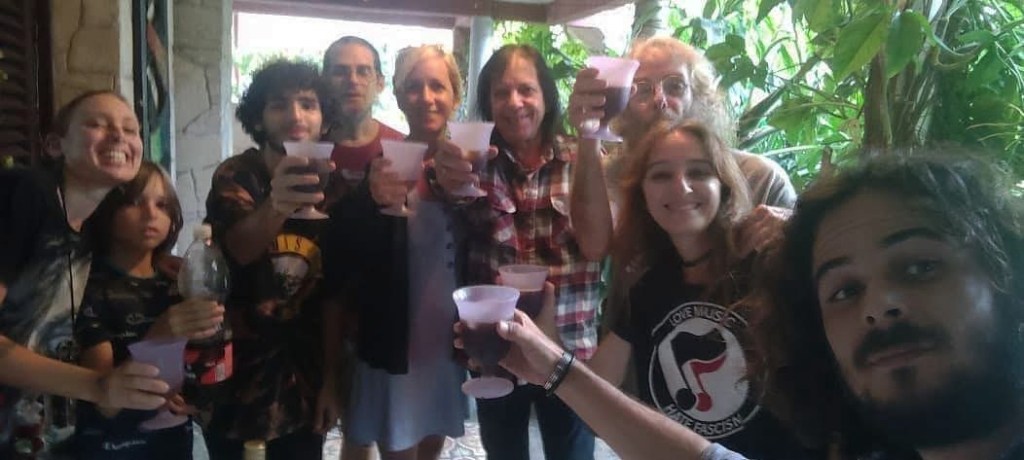
So I arrived with an open mind, expecting a blend of baleful weather-worn troubadours and an edgier youth movement. I was determined to cast off preconceptions of what that youth movement might be and not to go looking for the next punk or hip-hop scene and not impose my prejudice of what young people are supposed to do. so when Camila took me for my first night at the Fabrica. I was open to anything old, Cuban, new or international – anything!
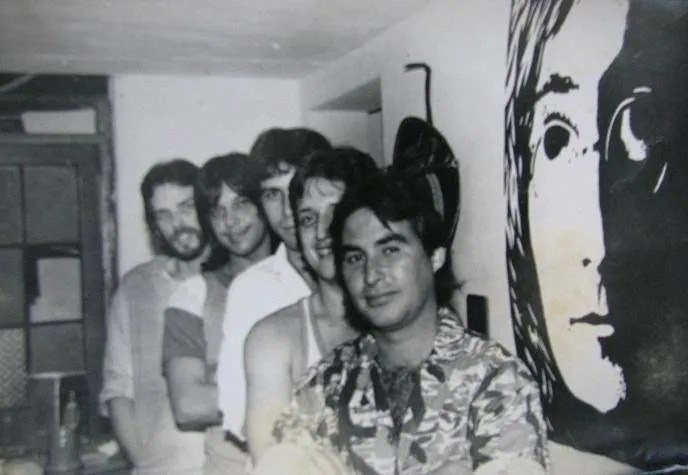
I wasn’t expecting nor initially particularly open to a revival of 1970s British classic rock. Now I’m not impartial to a bout of 1970s indulgence. in the 18 months. I’ve seen Led Zeppelin tributes, A creaky Jesus and Mary Chain, and only a few weeks before arriving in Havana me and my 70-year-old friend were in an arena in Birmingham watching the surviving members of Deep Purple go through their moves. But (excluding myself because of the Sprints, Idles, Amyl and the Sniffers, GOAT and English Teacher ticket stubs in my pocket) i thought there was something fossilised about people still watching the bands that they watched 50 years ago. I’m hypocrite, pleased to meet you.
All it took was a vigorous ‘Highway Star’ to make me reappraise.
For one thing the band in front of me, Gens, formed when John Lennon was still with us and soldiered through when rock music ( “the music of the enemy, the language of the enemy”) was either banned or frozen out of a state-curated cultural scene, and musicians persecuted, stigmatised and scorned. Gradually the revolutionaries realised that the counterculture of the capitalist world were more their friends than their enemies with ground breaking gigs by bands like the Manic Street Preachers leading, most notably, to a one of performance by The Rolling Stones in 2015. European bands are still pretty rare in Havana however.
For another thing, any advice that I might have given them was discouraged by the rendition of ‘Killing In The Name Of’. ‘Fuck me, they won’t do what I tell them’ I thought, flashing back to my middling corporate career. If Cubans with an average age of I’d get around 40 is enthusiastically catching up on what their parents were banned from listening to, I’m on board. We quickly cut the first El Grito video, I fished my footage of the Kiss farewell concert in Bogota and we went backstage to try and impress the band.
I spoke to Lilian Ojeda, a solo performer guesting with the band who told me of a childhood of furtive listens to her parents Beatles collection, before zooming off into the night. Kamila scored this interview with their founder, drummer and manager Carlos Rodriguez who talked about the bands formation, it’s early suppression and intolerance, working with Nueva Trova superstar Silvio Rodriguez, a long list of hits, the future of Cuban rock and the role of the Fábrica.

 El Grito