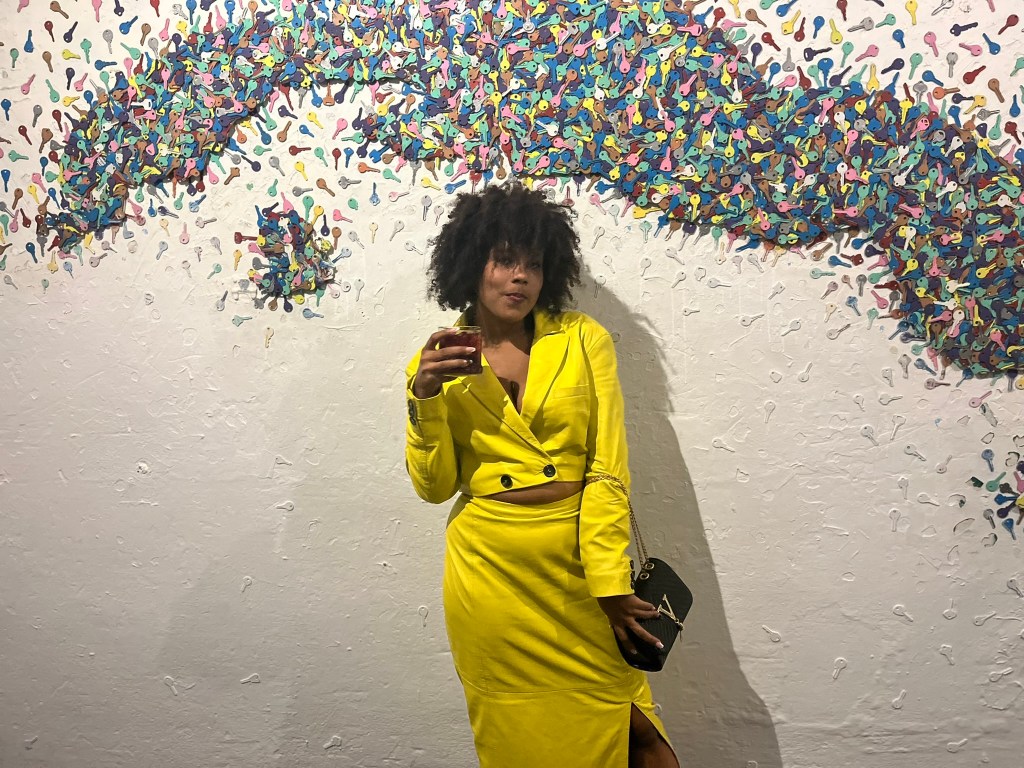
If I look back six months ago, I would never have thought that today I would be an aspiring Gonzo journalist and music blogger. And all of this was thanks to El Grito. It may sound a bit cheesy, but this project unwittingly became a cry of hope for a Cuban girl living in a reality of crisis and scarcity, making art is a dream that very few achieve.
To paraphrase one of my favorite films (Beauty of the Alhambra): When I was younger, I was bitten by the fatal artist virus. I wanted to be an actress; what began as a childhood dream became an obsession as I grew older. I applied every year to get into art school and never made it. Looking back now, although I like production and radio more, I sometimes miss theater.
After six consecutive years of trying to get into art school without any success, I began studying social communication at the University of Havana. But I still continued with theater and writing classes, another of my passions: writing. I even finished a collection of poems and some short stories, which I never entered into any competitions, perhaps out of embarrassment or fear that what I’d written would be rejected. I continued taking theater classes until my second year, even participating in a play by an amateur experimental theater group and a medium-length television film, but after the pandemic, everything changed. Theater classes went up to about 4,000 pesos a month, and I couldn’t afford them anymore, so I had to drop out.
Leaving theater classes made me feel lost. The Kamila of those years thought she wasn’t good for anything else in life. I remember months of feeling like a ship adrift. A friend advised and encouraged me to take a course in assistant directing and production. My parents, with great sacrifice, paid for the course. At the end of the course, together with some classmates, we came up with the idea of creating an independent film project, a project that lasted a few months due to the economic situation and transportation problems. We only managed to film a short film (Tacones Gastados, which dealt with the life of a Cuban prostitute who, feeling aging, decides to retire and faces the prejudices of society). I acted in it and helped write the script. Although this short film was an independent project, it made me grow as a person and as a professional. Living the experience of a rojade was quite difficult due to the circumstances Cuba was going through, which were beginning to be felt at the time. However, they were undoubtedly wonderful days of cinema and laughter among a group of friends with a shared dream.
After that experience, I made my way into the world of radio and started working at Radio Taíno, one of the best radio stations in Cuba and the only radio station in the country that is heard internationally, so it was a great opportunity for my career. Honestly, being a radio host wasn’t in my life plans. But working on a radio program is something that makes you fall in love with that wonderful profession. And starting on a prime-time program, especially one with a cultural focus, was beyond brilliant. My program, called A Buena Hora, is a cultural magazine that has allowed me to participate in film festivals and book fairs, meet many artists from diverse backgrounds, and cultivate a taste for exquisite music. Maybe I’m a bit gullible, but if anyone believes in destiny, I can say that starting to work in radio and developing my love for music for some reason was the key to making El Grito a reality. I hope my work for El Grito will help connect the worlds of Cuban and foreign arts and radio, and I’m happy to help anyone in Europe or the United States connect with Cuban artists.

 El Grito